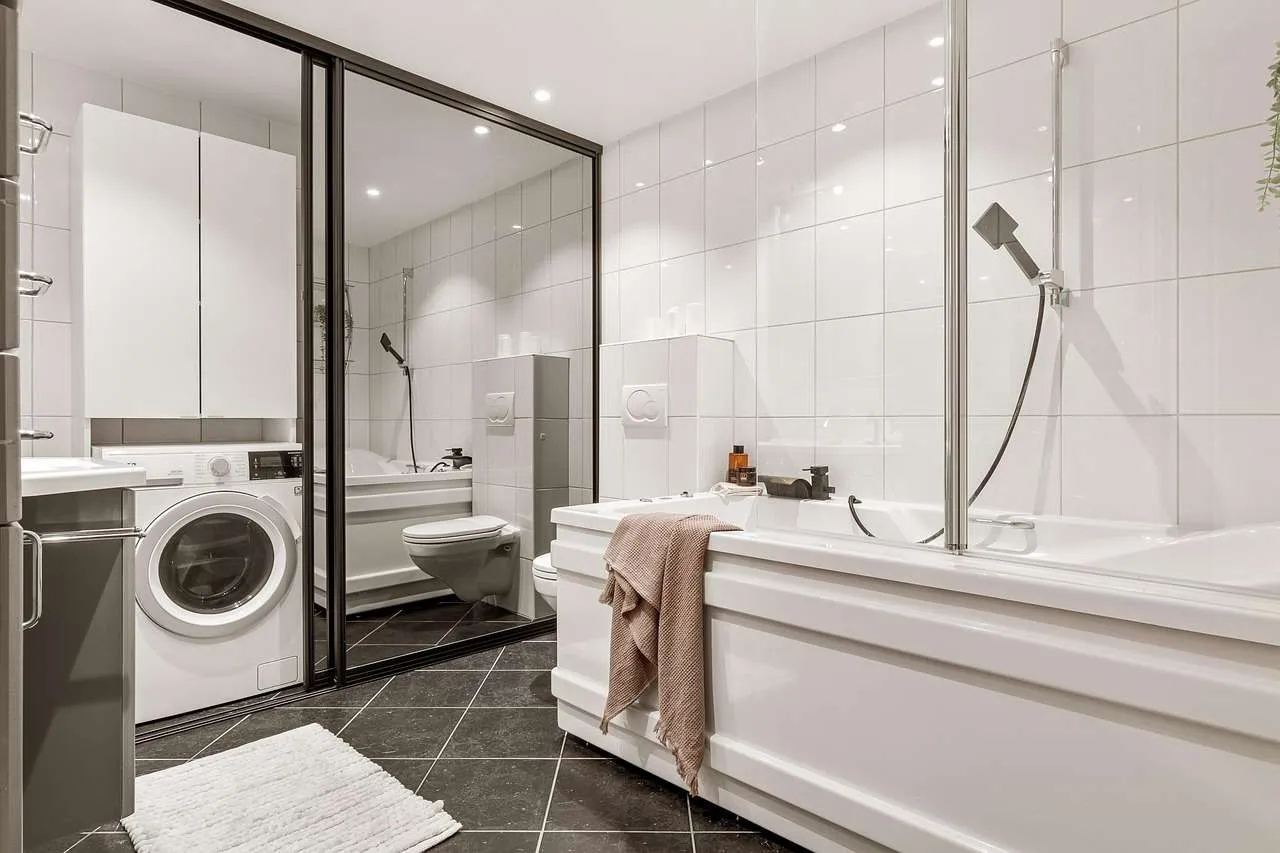
Small bathrooms pose a unique design puzzle: you want function and style without feeling cramped. With careful planning, the core keywords small bathroom ideas can guide every decision—from layout to finishes. In this article, a veteran designer shares practical, tested strategies for creating airier, more usable spaces. The tips below prioritize durability, ease of maintenance, and timeless aesthetics, ensuring your bathroom remains comfortable for daily use and appealing for years to come. By focusing on layout, storage, lighting, and materials, you can transform a modest footprint into a polished, high-performance space.
Smart Layouts for Small Bathrooms
In small bathrooms, the layout is the single biggest factor in perceived space. Start by mapping a simple grid and keeping the doorway clear of fixtures. For many homes, replacing a traditional tub with a shower opens critical floor space and improves traffic flow. If a full-scale shower isn’t feasible, consider a corner shower stall with a curved glass door that minimizes visual bulk. A walk-in shower with a frameless glass panel creates an uninterrupted sightline, making the room feel larger even if the square footage is fixed.
Walk-in Shower vs Tub Alternatives
Walk-in showers with clear glass reduce visual barriers and reflect light. Curbless or low-threshold entries increase accessibility and read as more open in photos. If a tub is necessary for family routines, a compact tub in a shallow alcove can work, but prioritize shower space in truly tiny bathrooms.
Compact Vanity and Toilet Placement
A wall-mounted or pedestal toilet paired with a shallow, wall-mounted vanity yields more floor space. Center the vanity under a mirror that runs the width of the wall to amplify light and perception of depth.
Storage Solutions and Fixtures
Storage is where small bathroom ideas turn practical. Use vertical space and recessed niches to keep items out of sight but within easy reach. A tall, slender linen cabinet beside the vanity can store towels, cleaning supplies, and toiletries without monopolizing floor area. In the shower, built-in niches keep bottles off the bench or shelf and reduce clutter. For counters, choose a vanity with shallow drawers or a medicine cabinet with interior organizers. Consider multi-function fixtures, such as a vanity with an integrated sink and counter-level storage.
Niche and Shelf Ideas
Recessed niches in shower walls and at the vanity maximize storage while preserving floor space. Use moisture-resistant materials like glass tile or acrylic for niches to avoid cracks and mold. Floating shelves placed over the toilet or beside the mirror provide quick-access storage without crowding the room.
Color, Lighting, and Finishes
Color plays a crucial role in making small bathrooms feel larger. Light neutrals, soft grays, and pale tiles bounce more light than saturated hues. Glossy or semi-gloss wall finishes, paired with matte fixtures, balance reflections with grip on dirt. Lighting should be layered: a bright ceiling light for tasks, plus wall sconces or LED strips around the mirror to reduce shadows. Mirror panels or a large framed mirror can double the perceived space, while moisture-resistant flooring in a coherent color palette pulls the room together.
Also consider the direction of natural light. If the bathroom has a skylight or a north-facing window, lighter tones can maximize the feel of sunshine, whereas warmer tones can create a cozy mood in a south-facing space.
Materials and Budget Considerations
Durable, moisture-resistant materials are essential in any bathroom, but especially in small spaces where maintenance matters. Porcelain or ceramic tiles with lighter shades and larger sizes reduce grout lines and help the room feel more expansive. For countertops and vanity tops, quartz or solid-surface materials provide durability with clean, modern aesthetics. If your budget allows, high-quality hardware and taps with a cohesive finish (brass, matte black, or brushed nickel) elevate the overall look without adding bulk. When planning small bathroom ideas, balance cost against durability and repairability—investing a little more upfront often saves maintenance costs later.
Comparison: Layout Options at a Glance
| Layout Idea | Pros | Cons | Approx Cost |
|---|---|---|---|
| Walk-in shower with glass door | Feels open; easy to clean; adaptable | Requires precise plumbing; splash zone needs waterproofing | Low to Medium |
| Corner shower enclosure | Maximizes corner space; compact footprint | Can feel tight in very small baths | Medium |
| Floating vanity with recessed storage | Increases visible space; easy to sweep | Limited storage depth; hardware choice matters | Low to Medium |
| Small tub with glass screen | Dual function; keeps a bath option | Takes more space than a shower; less open feel | Medium |
*Note: In ultra-compact layouts, a shower often offers a bigger return on perceived space than a tub.
Implementation Checklist
- Measure carefully and draft a scale drawing to test layout before purchasing fixtures.
- Choose wall-mounted or recessed fixtures to keep floor space open.
- Use niches, recessed cabinetry, and tall storage to maximize capacity without widening the room.
- Plan for moisture control: ventilation, moisture-resistant materials, and proper sealing around fixtures.
- Source lighting with dimmable options and consistent color temperature for a cohesive feel.
Summary: The combination of smart layout choices, integrated storage, light-reflective finishes, and careful budget planning makes small bathroom ideas practically powerful. By focusing on the essentials—layout, storage, lighting, and materials—you can create a space that feels larger, functions better, and remains timeless in style.